
Getting Started with Cycling: Your Road or Path to Freedom and Fitness
Updated: Aug 11
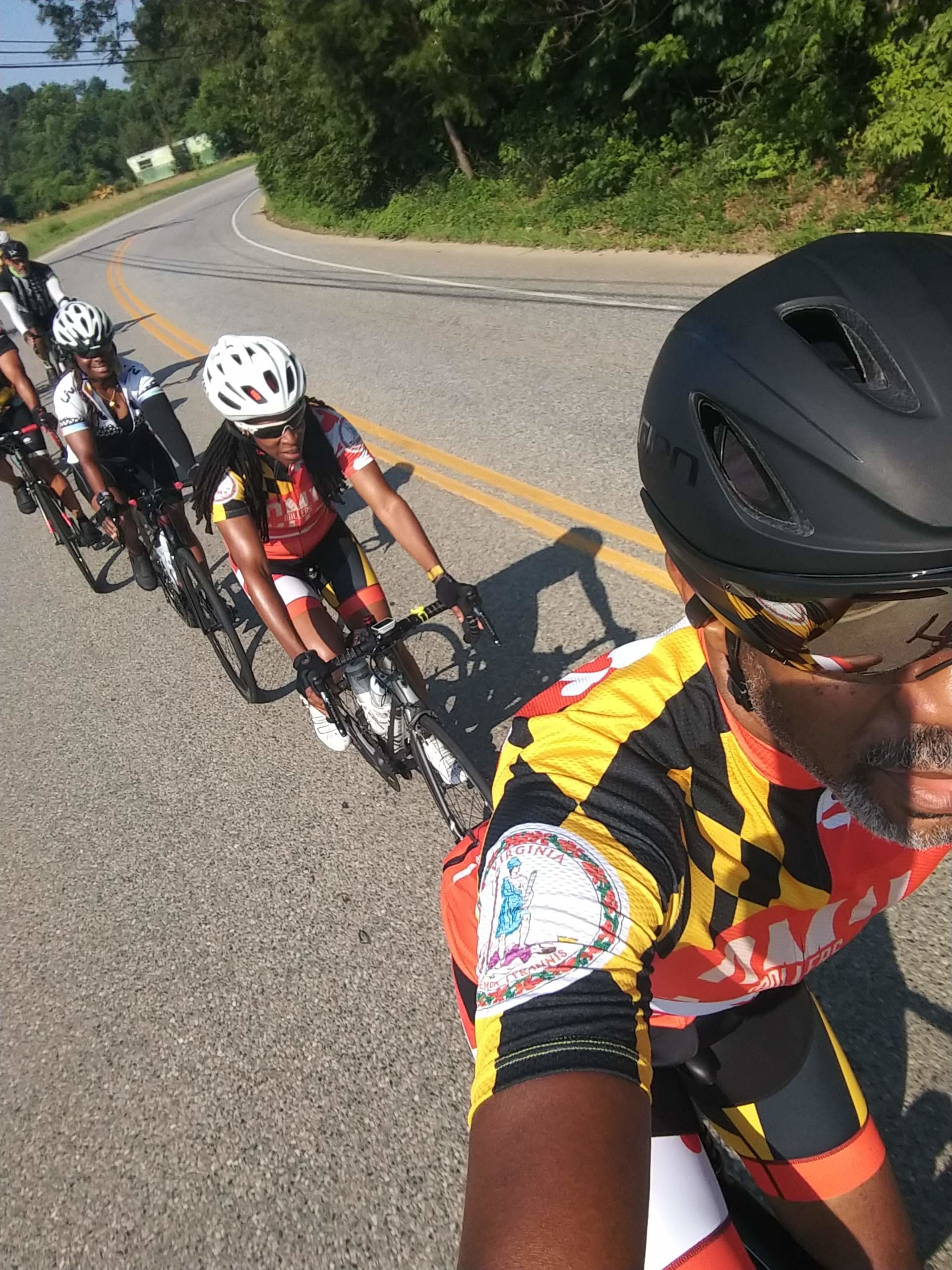
This guide is dedicated to my friend Denise, and to anyone ready to start pedaling toward better health, fitness, and peace of mind. Cycling can truly transform your life, and I want to help you begin your journey safely and with confidence. As a former runner I started cycling about five years ago and I have never looked back.
Before you consider hitting the road, be sure to schedule a check-up with your physician. Your doctor’s approval is essential before starting any new exercise program.
While I’m not a professional coach, these tips come from personal experience, competitive miles, and plenty of trial and error. Take what helps you, skip what doesn’t, and always ride at your own pace.
Two Key Tips to Remember
Safety First: Like driving, cycling involves risk. Ride during daylight when possible, follow traffic laws, wear a properly fitted helmet, choose bright clothing, and always assume that drivers don’t see you.
Start Slow and Build Gradually: Even if you’re already in great shape, cycling challenges entirely different muscle groups. Start with gentle rides—say, two or three miles in a safe, open space—before increasing your distance. Focus on comfort, control, and enjoyment rather than speed.
Your First Bike Experience
You don’t need to break the bank on a top-of-the-line racing machine right out of the gate. Instead, consider logging some initial miles on an indoor spin bike or Peloton at your local gym. It's a fantastic, low-pressure way to test your legs, knees, and cardio capacity.
When you're ready for the pavement, take a test ride at a local bike shop, rent a public bike, or borrow one from a friend. The most critical factor here is getting a proper fit. Think of it like adjusting your car seat and mirrors before heading out on the highway. The bike should match your height and allow a comfortable, relaxed reach to the handlebars.
Pro tip: A reputable local bike shop can perform a quick professional sizing to ensure safety and comfort. When you are ready to buy, new entry-level road or hybrid bikes typically start around $1,000.
Gear You’ll Need
Start with these ride essentials:
Helmet: Always wear one. It is the single most important piece of safety gear you own.
Water Bottle & Cage: Stay hydrated by mounting a secure bottle cage directly to your bike's frame. A simple bottle of water will quickly hit the pavement if you try to carry it.
Air Pump: A portable mini-pump or CO₂ inflator is non-negotiable for roadside inflation.
Repair Kit: Pack a spare inner tube, patch kit, tire levers, multi-tool, and CO₂ cartridges.
Glasses: Protect your eyes from blazing sunlight, bugs, dust, and flying road debris.
As you fall deeper in love with the sport, you may want to upgrade with:
Cycling Gloves: Absorb harsh handlebar shock and save your palms if you take a spill.
Bike Computer or Smartwatch: Track your mileage, average speed, and cadence. I would not recommend using your current phone, as it may hit the ground if not secured properly.
Performance Tires & Specialized Bar Tape: Investing in high-end, puncture-resistant tires and tacky, comfortable bar tape completely transforms your ride quality and handling.
Front and Rear Lights: Essential for visibility, even during daytime rides when weather dims or shadows lengthen.
What to Wear
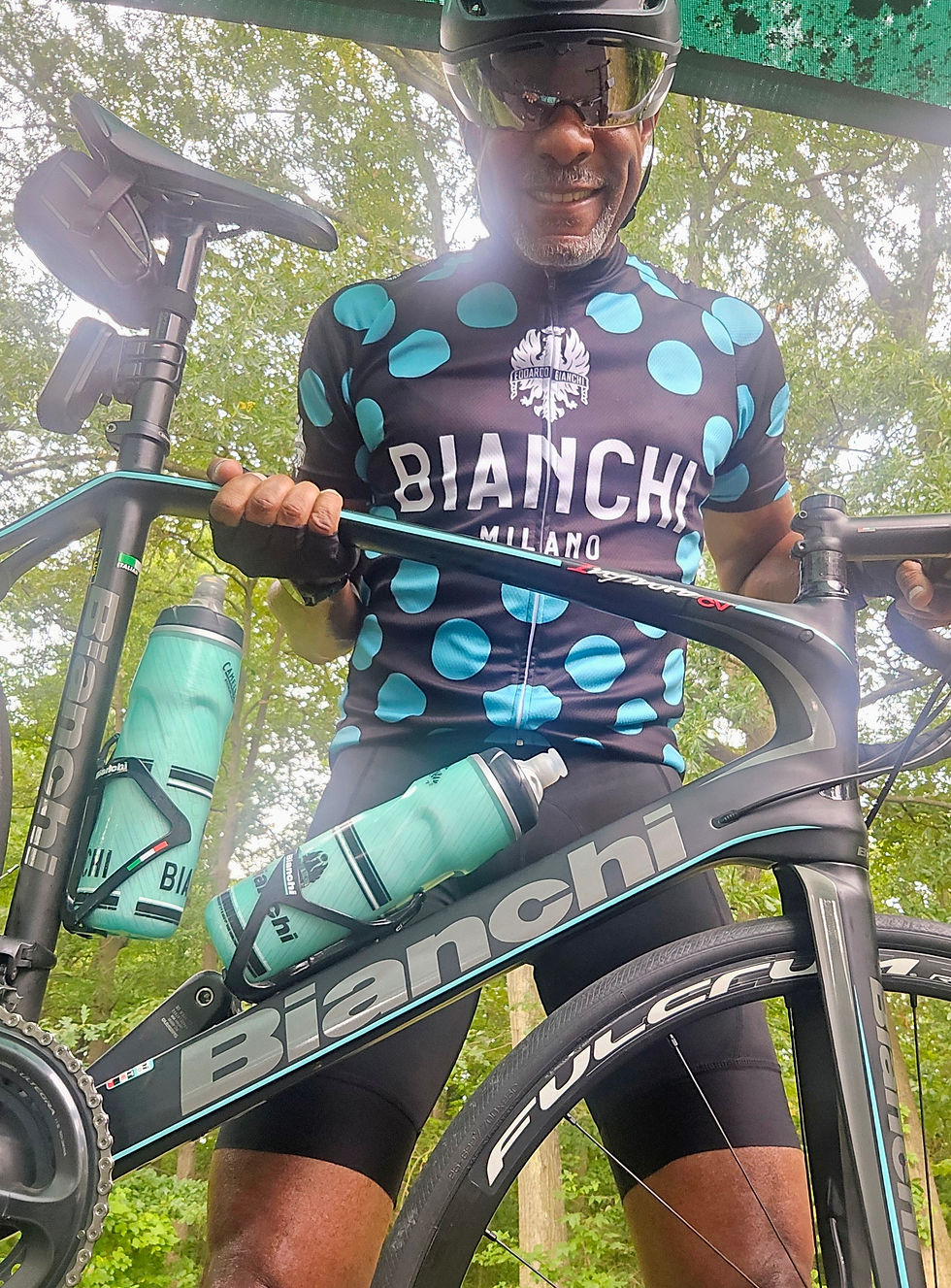
This is where things can start to get crazy if you're not careful. Keep it simple initially: comfortable athletic shorts, a breathable T-shirt, and clean sneakers will get the job done. However, once you start clocking longer hours in the saddle, treat yourself to a proper cycling 'kit.' Lightweight, moisture-wicking fabrics and cycling shorts with integrated chamois padding will save you from chafing and make long-distance miles a breeze. Some folks get pretty creative matching their cycling kits with their bike. Keep it fun but don't spend a bunch of cash.
Road Safety Tips
Stay visible, predictable, law-abiding and don't take chances based on the cars seeing you. SOMETIMES THEY DON'T. However, many common cycling hazards can be mitigated with a bit of defensive riding awareness:
Opening Car Doors: Give parked cars at least three feet of clearance to avoid 'dooring' accidents and ending up inside a parked car.
Close Passes: Take the lane when necessary (like narrow pinch-points) to prevent cars from squeezing past you unsafely.
Intersections: Make explicit eye contact with drivers before crossing paths or executing a turn. I sometimes wave to see if they're really looking at me.
Remember: falling can hurt... and is also embarrasing. Defensive riding keeps the wind in your face and the rubber on the road.
Understanding Gears and Brakes
Gears are your best friend for maintaining a smooth, steady cadence without burning out your legs:
Climbing: Drop into lower (easier) gears to spin up hills rather than mashing heavy pedals.
Flats and Descents: Shift up to higher gears for speed when the terrain flattens out.
Braking Technique: Practice using both brakes simultaneously. The front brake provides the majority of your stopping power, but feathering the rear brake is safer on slick or wet pavement.
Handling Flat Tires & Transport
Every cyclist gets a flat sooner or later. It's a rite of passage! Keep a spare tube, levers, and a pump handy, and watch a quick online tutorial (or ask a seasoned local riding buddy) to practice changing one in your driveway before you're stuck on the roadside.
When it's time to travel to a new route or race, transporting your bike shouldn't be a puzzle. If it won’t break down inside your trunk, invest in a sturdy trunk or hitch-mounted bike rack to protect your car's interior and keep your frame secure.
Enjoy the Ride
Cycling is so much more than a physical workout; it’s freedom, fresh air, and community. Start slowly, celebrate small milestones, and don't hesitate to join local group rides once you build your confidence.
Have fun out there, stay safe, and enjoy the journey!


Comments